To enhance Certificate Lifecycle Management (CLM) in 2025, you can leverage KeyTalk's solutions to streamline processes and boost security. Their user-friendly interface allows real-time monitoring and automated alerts for expirations. By automating issuance and renewal, you’ll reduce human error and increase efficiency. KeyTalk's integration capabilities also guarantee seamless connectivity with your existing systems, helping you stay compliant amidst evolving regulations. Discover how these innovations can reshape your CLM approach and more advantages they offer.
Key Takeaways
- KeyTalk offers a user-friendly interface that simplifies the management of digital certificates, enhancing efficiency and user experience. Real-time monitoring and customizable alerts from KeyTalk ensure timely awareness of certificate statuses, preventing outages and security breaches. Automation of certificate issuance, renewal, and revocation reduces manual workload, minimizing human errors and operational costs. Integration capabilities allow KeyTalk to seamlessly connect with existing systems, enhancing visibility and compliance across diverse platforms. KeyTalk's analytics tools provide valuable insights into certificate usage, enabling informed decision-making and proactive risk management.
The Importance of Certificate Lifecycle Management in 2025
As organizations increasingly rely on digital communications and transactions, effective Certificate Lifecycle Management (CLM) becomes essential in 2025. You need to guarantee that your digital certificates aren't only secure but also properly managed throughout their life cycle.
By implementing robust CLM practices, you can prevent costly disruptions caused by expired or misconfigured certificates. You'll enhance your organization's security posture while maintaining compliance with industry regulations.
Furthermore, streamlined CLM processes enable you to respond swiftly to emerging threats and vulnerabilities. By proactively managing certificates, you reduce the risks associated with data breaches and unauthorized access.
Adopting extensive CLM strategies now will position your organization for success in an increasingly digital landscape, making it essential for maintaining trust and reliability in your services.
Key Challenges in Current CLM Practices
While effective Certificate Lifecycle Management (CLM) is vital for securing digital communications, several key challenges persist in current practices.
One major issue is the lack of automation, which often leads to human errors and increased operational costs.
You might also face difficulties in tracking and managing certificates across diverse platforms and environments, complicating compliance efforts.
Additionally, many organizations struggle with the timely renewal of certificates, risking outages and security breaches.
Inconsistent policies and practices can create vulnerabilities, leaving you exposed to threats.
Finally, inadequate visibility into the certificate inventory can hinder your ability to respond quickly to incidents.
Addressing these challenges is essential for enhancing your CLM processes and ensuring robust security in an increasingly complex digital landscape.
KeyTalk’s Innovative Solutions for CLM
KeyTalk offers several innovative solutions that transform Certificate Lifecycle Management (CLM) for organizations.
With a focus on enhancing security and efficiency, you’ll find their platform simplifies the management of digital certificates. Their user-friendly interface allows you to easily monitor certificate statuses and track renewals in real time.
You can also take advantage of customizable alerts that keep you informed of potential issues before they escalate. KeyTalk’s integration capabilities guarantee seamless connectivity with existing systems, reducing the risk of disruptions.
Additionally, their analytics tools provide valuable insights into your certificate usage, helping you make informed decisions.
Automating Certificate Management Processes
Automating certificate management processes can considerably reduce the burden on your IT team, allowing them to focus on more strategic initiatives.
By implementing automated solutions, you streamline tasks like certificate issuance, renewal, and revocation. This minimizes human error and guarantees that certificates are always up-to-date, reducing the risk of security breaches.
You can set alerts for expiring certificates, guaranteeing timely renewals without manual tracking.
Automation also enhances visibility into your certificate inventory, making it easier to manage compliance and reporting requirements.
By leveraging tools that automatically integrate with your existing infrastructure, you’ll save time and resources, ultimately improving operational efficiency.
Embracing automation in certificate management not only simplifies processes but also strengthens your overall security posture.
Enhancing Security With Advanced Encryption Techniques
As you explore the future of certificate lifecycle management, you'll find that advanced encryption techniques are essential for enhancing security.
Cutting-edge algorithms, combined with a zero trust architecture and continuous key management, can considerably reduce vulnerabilities.
It's important to adopt these strategies to stay ahead in an increasingly complex digital landscape.
Cutting-Edge Encryption Algorithms
While traditional encryption methods have served their purpose, the rapid evolution of cyber threats necessitates a shift towards cutting-edge encryption algorithms. You need to embrace advanced techniques like post-quantum cryptography, which prepares you for the future of quantum computing.
Algorithms such as AES-GCM and ChaCha20 offer robust security and efficiency, ensuring your data remains safe from increasingly sophisticated attacks. Implementing these algorithms not only enhances your security posture but also builds trust with your clients and partners.
As threats continue to evolve, keeping your encryption methods updated is essential. Investing in cutting-edge encryption not only safeguards your assets but also positions your organization as a leader in security innovation, ready to tackle emerging challenges head-on.
Zero Trust Architecture
In today’s landscape of heightened cyber threats, adopting a Zero Trust Architecture (ZTA) is a strategic move to bolster your security framework.
With ZTA, you're not just trusting users or devices based on their location; instead, you’re verifying every request as if it originates from an open network. This means implementing strict identity verification and continuous monitoring to guarantee that only authorized users access sensitive resources.
By segmenting your network and applying the principle of least privilege, you minimize the attack surface. Additionally, integrating advanced encryption techniques helps protect your data in transit and at rest, guaranteeing that even if a breach occurs, your information remains secure.
Embracing ZTA is essential for a robust defense against evolving cyber threats.
Continuous Key Management
Implementing continuous key management is essential for enhancing security in an increasingly complex digital environment. By automating key generation, rotation, and destruction, you can guarantee that your encryption keys are always up to date and secure.
This proactive approach minimizes the risk of unauthorized access and data breaches. You’ll want to adopt advanced encryption techniques, like symmetric and asymmetric algorithms, to further strengthen your security posture.
Regularly auditing your key management processes also helps identify vulnerabilities and improve overall security. Integrating continuous key management into your workflows not only protects sensitive data but also simplifies compliance with regulatory requirements.
Embrace this strategy to stay ahead of threats and foster trust in your organization’s data handling practices.
Ensuring Compliance With Regulatory Standards
As you navigate the complexities of certificate lifecycle management, understanding the regulatory framework is essential.
You'll need to implement effective risk management strategies and stay on top of audit and reporting practices to guarantee compliance.
This proactive approach not only safeguards your organization but also builds trust with stakeholders.
Regulatory Framework Overview
While traversing the complex landscape of certificate lifecycle management, understanding the regulatory framework becomes essential for guaranteeing compliance with evolving standards.
You’ll need to familiarize yourself with key regulations such as GDPR, HIPAA, and PCI-DSS, which set strict guidelines for data security and privacy. These regulations dictate how certificates must be managed, issued, and revoked, impacting your organization’s operations.
Non-compliance can lead to severe penalties, so it’s vital to stay updated on changes in https://newscerr.com/certificate-lifecycle-management/ these laws. Incorporating best practices into your lifecycle management processes not only mitigates risk but also enhances trust with clients and stakeholders.
Risk Management Strategies
Three key risk management strategies can help guarantee compliance with regulatory standards in certificate lifecycle management.
By implementing these strategies, you can mitigate risks effectively and streamline your processes.
- Regular Training: Ascertain your team understands regulatory requirements and best practices.
Continuous education helps prevent compliance gaps.
- Automated Monitoring: Use automated tools to track certificate status and expiration dates.
This proactive approach minimizes the risk of lapses that could lead to penalties.
- Robust Documentation: Maintain clear, organized records of all certificates and compliance activities.
This not only aids in audits but also keeps your team accountable.
Audit and Reporting Practices
Effective audit and reporting practices are essential for maintaining compliance with regulatory standards in certificate lifecycle management. You need to regularly assess your processes to identify any gaps or weaknesses.
Establish a clear audit schedule that aligns with regulatory requirements, ensuring you’re consistently reviewing your certificates’ statuses and histories. Utilize automated reporting tools to streamline data collection and analysis, making it easier to generate compliance reports.
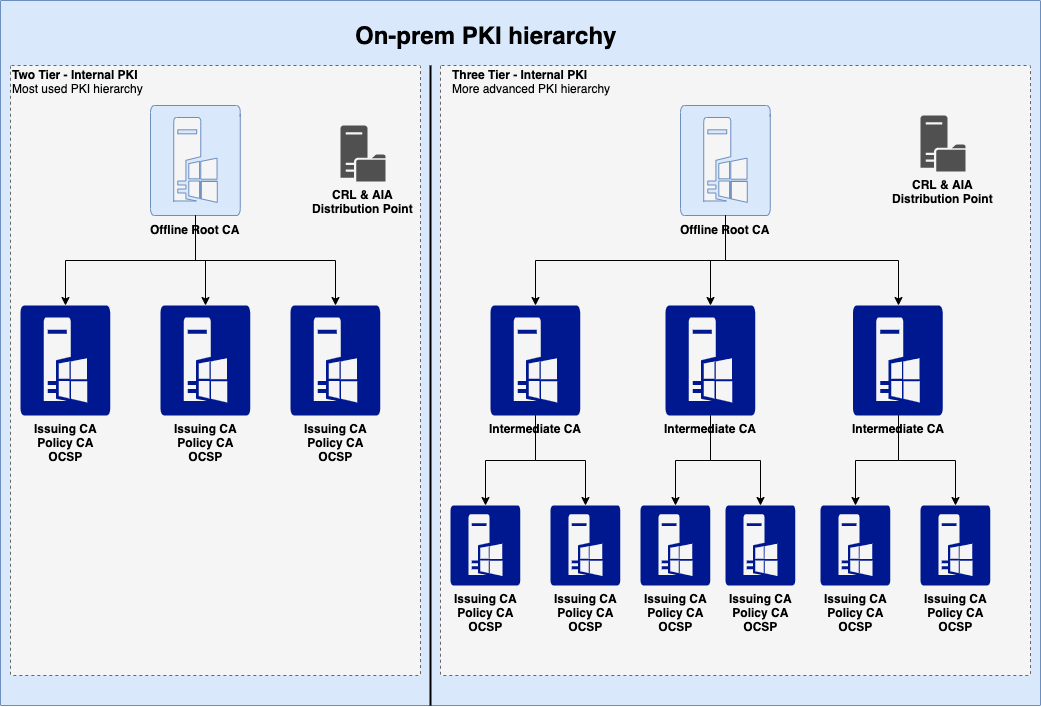 Enhance Certificate Lifecycle Management In 2025
When discrepancies arise, address them promptly to mitigate risks. Additionally, keep detailed documentation of your audits, as this will serve as evidence of compliance during regulatory reviews.
Integrating CLM With Existing Infrastructure
As organizations look to enhance their security posture, integrating Certificate Lifecycle Management (CLM) with existing infrastructure becomes essential.
You’ll want to guarantee seamless communication between your CLM tools and current systems to maximize efficiency. Here are some key steps to evaluate:
- Assess Compatibility: Check that your CLM solution works well with current software and hardware, minimizing disruptions.
- Automate Processes: Streamline certificate provisioning and renewal to reduce manual errors and save time.
- Centralize Management: Use a single dashboard to monitor all certificates, making it easier to manage and respond to security incidents.
The Role of Artificial Intelligence in Certificate Management
While organizations endeavor to enhance their security frameworks, leveraging artificial intelligence (AI) in certificate management can greatly streamline processes.
AI can automate tedious tasks like certificate issuance, renewal, and revocation, reducing human error and saving time. By analyzing patterns in certificate usage, AI helps you identify potential vulnerabilities and predict expirations before they become issues.
Additionally, AI-driven tools can monitor certificates in real-time, providing alerts for anomalies or unauthorized changes. This proactive approach not only enhances security but also guarantees compliance with industry regulations.
Best Practices for Monitoring and Auditing Certificates
To guarantee your organization’s certificates remain secure and compliant, implementing a robust monitoring and auditing strategy is essential.
Here are some best practices to follow:
- Regularly review certificate inventories: Keep an up-to-date list of all certificates, including their expiration dates and issuing authorities to avoid unexpected outages.
- Automate alerts for expirations: Set up notifications for upcoming renewals to make certain you don't miss critical deadlines.
- Conduct periodic audits: Regularly assess your certificate management processes, identifying potential vulnerabilities and making sure compliance with industry standards.
Future Trends in Certificate Lifecycle Management
Monitoring and auditing certificates today lays the groundwork for understanding future trends in certificate lifecycle management.
As you look ahead, expect automation to streamline processes, reducing human error and saving time. Artificial intelligence will play a vital role, offering predictive analytics to identify potential vulnerabilities before they become problems.
You'll also see a shift towards zero-trust security models, requiring continuous validation of certificates. Additionally, decentralized technologies like blockchain might emerge, enhancing transparency and trust in certificate issuance.
As regulations evolve, staying compliant will become even more essential. By embracing these trends, you'll not only enhance security but also improve operational efficiency, ensuring your organization remains resilient in an increasingly digital landscape.
Frequently Asked Questions
What Industries Benefit Most From Enhanced Certificate Lifecycle Management?
You’ll find that industries like finance, healthcare, and technology benefit most from enhanced certificate lifecycle management.
In finance, it secures transactions and protects sensitive data.
In healthcare, it safeguards patient records and complies with regulations.
 Secure Semantic Ai Search For Enterprises
Meanwhile, technology firms guarantee their software and devices are secure from threats.
By streamlining certificate management, you can reduce risks, improve compliance, and enhance overall security across these critical sectors.
It’s a game-changer for maintaining trust and efficiency.
How Does Keytalk Ensure Data Privacy During Certificate Management?
When it comes to keeping your data secure, you can't afford to cut corners.
KeyTalk guarantees data privacy during certificate management by implementing strict encryption protocols and access controls. They regularly audit their systems to spot and fix vulnerabilities, guaranteeing your sensitive information stays under lock and key.
With their commitment to transparency and compliance, you can trust that your data will remain protected throughout the entire certificate lifecycle.
Can Keytalk Integrate With Legacy Systems Seamlessly?
Yes, KeyTalk can integrate with legacy systems seamlessly.
You'll find that it offers flexible APIs and connectors designed to bridge the gap between modern solutions and older infrastructures. This means you won't have to worry about losing existing functionality or data.
What Support Does Keytalk Provide for Troubleshooting Issues?
When you encounter issues, KeyTalk offers robust support for troubleshooting.
Their dedicated support team is available to help you resolve problems quickly. You can access thorough documentation, including FAQs and guides, that walk you through common issues.
If you need personalized assistance, you can reach out directly to their support staff through various channels, ensuring you get the help necessary to keep your operations running smoothly.
You're never alone in this process.
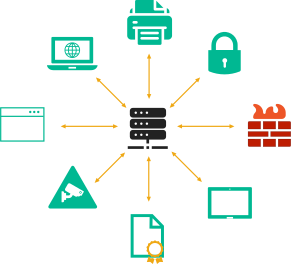 Control Cold-start Personalization With Keytalk
How Often Should Organizations Review Their Certificate Management Policies?
Did you know that 60% of organizations fail to manage their certificates properly?
You should review your certificate management policies at least annually, but consider more frequent reviews if your environment changes. Regular assessments help you identify vulnerabilities, guarantee compliance, and streamline processes.
By staying proactive, you reduce the risk of outages or security breaches, ultimately protecting your organization’s data and reputation.
Don’t wait until it’s too late—make reviewing a priority!
Conclusion
In 2025, effective certificate lifecycle management isn’t just a luxury; it’s a necessity. Did you know that 70% of organizations experience at least one certificate-related outage each year? By embracing innovative solutions like KeyTalk's automated processes and AI integration, you can greatly reduce risks and streamline your operations. Don’t wait for a crisis—start enhancing your CLM practices today to guarantee your organization remains secure and compliant in an ever-evolving digital landscape.