Enhancing smart certificate discovery for a business involves implementing automated tools and centralized management solutions. These technologies improve visibility into certificate statuses, streamline tracking, and facilitate timely renewals. Businesses face challenges like limited visibility and fragmented systems that can lead to vulnerabilities. Adopting proactive measures, such as real-time monitoring and alerts, is essential for maintaining security and compliance. Organizations can further benefit from innovative tracking solutions that reduce manual oversight. More insights await on how to achieve this effectively.
Key Takeaways
- Implement automated tracking solutions to streamline identification and renewal processes of certificates across your business environment. Utilize real-time monitoring tools for enhanced visibility into the status and expiration of all certificates. Establish a centralized repository for easy access and efficient tracking of certificates, reducing fragmentation. Set up alerts and notifications to proactively manage upcoming expirations and renewals, minimizing service disruptions. Conduct regular audits to identify vulnerabilities and ensure compliance with industry regulations and standards.
Understanding the Importance of Certificate Management
Effective certificate management is crucial for organizations seeking to maintain secure and trustworthy digital environments. Certificates serve as the backbone of secure communications, enabling encryption and authentication across various platforms.
By ensuring the proper issuance, renewal, and revocation of certificates, organizations can mitigate risks associated with data breaches and cyberattacks. In addition, robust certificate management helps maintain compliance with industry regulations and standards, safeguarding sensitive information.
A well-structured approach to certificate management not only enhances security but also streamlines operational processes, reducing administrative burdens. As digital landscapes evolve, organizations must prioritize certificate management to adapt to emerging threats and maintain stakeholder trust.
Ultimately, effective management of digital certificates is essential for sustaining a secure and efficient operational framework.
Key Challenges in Certificate Discovery
Certificate discovery faces significant challenges that can hinder effective management.
Limited visibility into the existing certificates complicates the identification and tracking process, while complex management procedures can lead to inefficiencies.
Addressing these issues is essential for enhancing security and ensuring compliance within organizations.
Limited Visibility of Certificates
While organizations increasingly rely on digital certificates for secure communications, their visibility often remains alarmingly limited. Many businesses lack extensive oversight of their certificate inventories, leading to potential security vulnerabilities. This limited visibility can result from fragmented systems, outdated inventory practices, or the sheer volume of certificates in use.
Additionally, organizations may struggle to identify expired or soon-to-expire certificates, risking service interruptions and security breaches. Without a clear understanding of their certificate landscape, businesses face challenges in ensuring compliance, managing renewals, and mitigating risks associated with unauthorized access.
Enhancing visibility is essential for organizations to maintain a secure digital environment and effectively manage certificate lifecycles. Addressing these visibility issues is critical for safeguarding organizational assets.

Complex Certificate Management Processes
Numerous organizations encounter significant challenges in managing their digital certificates, complicating the discovery process. The complexity arises from various factors, including the diverse types of certificates, varying expiration dates, and differing issuance authorities.
This multifaceted landscape demands meticulous attention, as failure to manage certificates effectively can lead to security vulnerabilities and service disruptions. Additionally, organizations often struggle with outdated or decentralized management tools, which hinder their ability to maintain an accurate inventory of certificates.
Inadequate automation further exacerbates these issues, making it difficult to track renewals and updates. Ultimately, these challenges require a streamlined approach to certificate management to enhance visibility and guarantee compliance with security protocols, thereby safeguarding organizational assets and maintaining operational integrity.
Innovative Tools for Certificate Tracking
In the domain of certificate tracking, innovative tools are transforming the way businesses manage their digital assets.
Automated tracking solutions streamline the identification and renewal processes, while real-time monitoring tools provide instant visibility into certificate statuses.
Together, these advancements enhance security and operational efficiency, addressing the growing complexity of certificate management.
Automated Tracking Solutions
Automated tracking solutions are revolutionizing the way businesses manage their certificates, providing essential tools that enhance efficiency and accuracy. These systems streamline the process of monitoring expiration dates and compliance requirements, reducing the risk of oversight.
By integrating advanced algorithms, businesses can automate the collection and organization of certificate data, minimizing manual input and potential errors. Additionally, automated solutions facilitate better resource allocation, enabling teams to focus on strategic tasks rather than administrative burdens.
With features such as alerts and notifications, stakeholders can be promptly informed about impending expirations or renewals, ensuring that certificates remain valid and compliant. This proactive approach not only boosts operational effectiveness but also strengthens https://ps3coderz.com/worlds-leading-pki-management-solution/ organizational security.
Real-Time Monitoring Tools
While traditional methods of certificate management often involve cumbersome manual checks, real-time monitoring tools have emerged as vital innovations for effective certificate tracking.
These advanced tools enable businesses to maintain a continuous overview of their certificates’ status, automatically alerting stakeholders to impending expirations or security vulnerabilities.
By integrating with existing IT infrastructure, real-time monitoring tools streamline the management process, notably reducing the risks associated with lapses in certification.
Furthermore, they provide extensive reporting features that enhance visibility and compliance, allowing organizations to make informed decisions quickly.
As cyber threats evolve, the ability to track certificates in real-time becomes essential, ensuring that businesses protect their digital assets efficiently and maintain trust with customers and partners alike.
Implementing Automated Certificate Discovery Solutions
Implementing automated certificate discovery solutions streamlines the process of identifying and managing digital certificates across an organization’s infrastructure.
By leveraging these advanced tools, businesses can enhance security and minimize the risks associated with expired or misconfigured certificates. This approach allows for greater efficiency and accuracy in monitoring certificate status.
Key components of automated certificate discovery include:
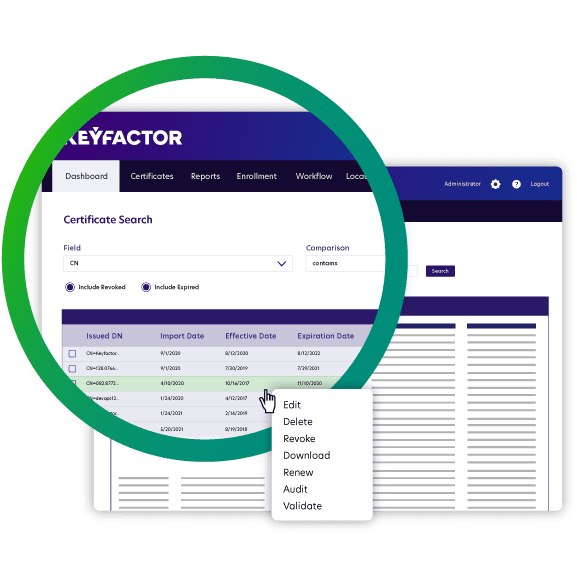
Continuous Scanning: Regularly scans the network to identify all certificates, ensuring no certificate is overlooked. Centralized Management: Provides a single dashboard for tracking certificate status, expiration dates, and compliance requirements. Alerts and Notifications: Sends timely reminders for upcoming expirations, enabling proactive management and renewals.These features collectively help organizations maintain a robust security posture.
Best Practices for Maintaining Certificate Inventory
A thorough certificate inventory is crucial for organizations aiming to maintain security and compliance. Effective practices include regularly auditing certificates to identify expirations, guaranteeing timely renewals, and maintaining accurate records of all certificates in use.
Organizations should establish a centralized repository for certificate management, allowing for easy access and tracking. Implementing automated alerts for impending expiration dates can notably reduce the risk of service disruptions.
Additionally, it is crucial to categorize certificates based on their purpose and criticality, facilitating prioritization during updates or renewals. Regular training for staff on the importance of certificate management reinforces accountability and awareness.
Enhancing Visibility Through Centralized Management
Effective management of certificates naturally leads to the need for enhanced visibility across an organization’s digital landscape.
Centralized management serves as a pivotal solution, allowing businesses to streamline their certificate oversight. By consolidating information, organizations can achieve better monitoring and control, ultimately reducing the risk of certificate-related vulnerabilities.
Key benefits of centralized management include:
Real-time Alerts: Organizations can receive immediate notifications regarding impending expirations or potential security issues, facilitating timely responses. Comprehensive Reporting: Centralized systems generate detailed reports on certificate status, usage, and compliance, allowing for informed decision-making. Simplified Auditing: A unified management platform simplifies the auditing process, ensuring transparency and accountability throughout the certificate lifecycle.These elements collectively enhance visibility, fostering a robust security posture.
Integrating Certificate Management With Existing Systems
Seamless integration of certificate management with existing systems is vital for optimizing an organization’s security framework. This integration allows businesses to automate certificate issuance, renewal, and revocation processes, reducing the risk of human error and certificate lapses.
By connecting certificate management tools with existing IT infrastructure, organizations can gain real-time visibility into their certificate inventory, enabling proactive maintenance and compliance. Additionally, integrating with monitoring and alerting systems helps organizations respond swiftly to potential vulnerabilities.
A unified approach guarantees that all systems communicate effectively, streamlining workflows and enhancing overall efficiency. Ultimately, the integration of certificate management fosters a robust security posture, safeguarding sensitive information and maintaining trust with clients and partners.
Compliance and Security Considerations in Certificate Management
While businesses endeavor to enhance their security measures, compliance and security considerations in certificate management must remain a top priority.
Effective certificate management not only safeguards sensitive data but also guarantees adherence to regulatory requirements. Organizations should focus on the following key areas:
Effective certificate management is crucial for protecting sensitive data and ensuring compliance with regulatory standards.
Regular Audits: Conducting periodic reviews of certificates helps identify vulnerabilities and guarantees all certificates are up to date, minimizing the risk of expiration or misconfiguration. Access Controls: Implementing strict access controls and role-based permissions prevents unauthorized personnel from altering or misusing certificates. Automated Alerts: Utilizing automated systems for alerting on certificate expirations and renewals enhances proactive management, allowing businesses to address potential issues before they escalate.Future Trends in Certificate Management Technology
As organizations prioritize compliance and security in their certificate management practices, they are increasingly turning to advanced technologies to streamline these processes.
Future trends indicate a shift towards automation, utilizing artificial intelligence and machine learning to enhance certificate discovery and lifecycle management. These technologies can predict expiration dates, assess risks, and manage renewals autonomously.
Additionally, the integration of blockchain may provide enhanced transparency and security, ensuring an immutable record of certificate transactions.
The adoption of centralized platforms will enable organizations to manage certificates across diverse environments more efficiently.
Moreover, as regulatory landscapes evolve, adaptive compliance solutions will emerge, helping businesses stay ahead of changing requirements while maintaining robust security postures.
FAQ
How Can I Train My Team on Certificate Management Best Practices?
To effectively train a team on certificate management best practices, one could implement a structured approach. This includes conducting workshops that cover fundamental concepts, providing hands-on experience with tools, and establishing clear guidelines for certificate lifecycle management.
Additionally, creating a resource repository with documentation and examples can enhance understanding.
Regular assessments and feedback sessions will reinforce learning and guarantee the team remains updated on evolving security standards and practices.
What Are the Costs Associated With Certificate Management Solutions?
The costs associated with certificate management solutions can be as varied as the colors in a rainbow.
Organizations often face expenses that include software licensing, implementation fees, maintenance costs, and potential training for staff.
Additionally, there may be costs related to compliance and security audits.
While some solutions might seem economical upfront, organizations should consider the long-term investment, as neglected certificates can lead to significant security breaches and financial repercussions.
How Often Should I Audit My Certificate Inventory?
Auditing a certificate inventory is essential for maintaining security and compliance. Experts recommend conducting audits at least quarterly to identify expired or vulnerable certificates.
However, organizations with high-security requirements may opt for monthly audits. Regular assessments help guarantee that certificates are properly managed and reduce the risk of potential breaches.
Additionally, aligning audits with organizational policies and regulatory requirements can enhance overall security posture and streamline certificate management processes.
Can Certificate Management Solutions Integrate With Cloud Services?
Certificate management solutions can indeed integrate with cloud services. This integration enables organizations to streamline their certificate lifecycle management by automatically issuing, renewing, and revoking certificates within cloud environments.
Such solutions often provide APIs and connectors specifically designed for popular cloud platforms, enhancing operational efficiency and security. By leveraging these integrations, businesses can guarantee better visibility and control over their digital certificates, ultimately reducing risks associated with certificate mismanagement.
What Support Options Are Available for Certificate Management Tools?
Like a lighthouse guiding ships through fog, support options for certificate management tools illuminate user pathways.
These options typically include online documentation, user forums, and direct customer service channels such as email or phone support.
Some providers offer training sessions and webinars, while others may provide dedicated account managers for personalized assistance.
Conclusion
In summary, the journey toward effective certificate management is an essential endeavor for businesses traversing the digital landscape. By embracing innovative tools and automated solutions, organizations can overcome challenges and maintain a robust inventory with ease. As visibility enhances through centralized management, integrating these systems becomes a seamless process. Ultimately, staying ahead of compliance and security considerations will guarantee that businesses not only survive but thrive in a world where certificates are the keys to trust.